

Introduction
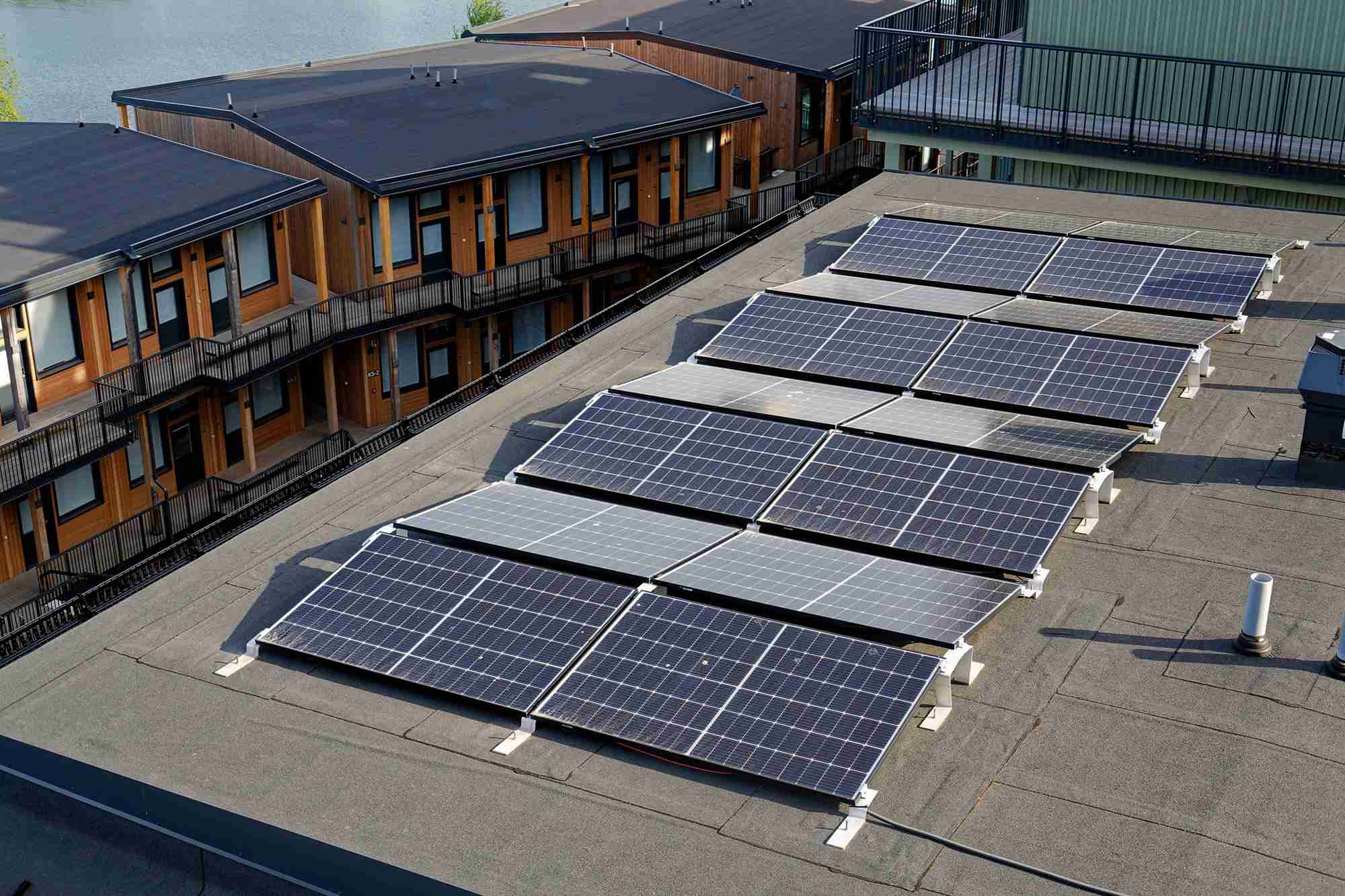
The global energy landscape is shifting from "green energy" to "reliable green energy." While solar and wind are powerful individually, their intermittent nature has been a barrier for industries requiring continuous power. Wind-Solar Hybrid Farms solve this puzzle. By co-locating these assets, we can harness solar power during the day and wind power—which often peaks in the evening or night—to create a near-constant supply of clean electricity. This is the definitive step toward a net-zero future.
Optimizing Infrastructure and Land Use
One of the most significant advantages of hybrid farms is the efficient use of resources. In a standalone project, the transmission infrastructure often sits idle when the sun isn't shining or the wind isn't blowing.
- Shared Transmission: Hybrid systems utilize the same grid connection for both sources, drastically improving transmission utilization.
- Land Efficiency: Solar panels can be installed in the spacing between wind turbines, maximizing energy generation per acre of land.
- Cost Reduction: Shared civil works and substations lower the overall capital expenditure.
Accelerating Decarbonization for Heavy Industries
For energy-intensive sectors like steel, cement, and data centers, standalone renewables often cover only 30-40% of energy needs. Hybrid farms, however, can boost this renewable penetration to over 60-70% due to their complementary generation profiles. This allows corporations to significantly reduce their Scope 2 emissions and meet sustainability targets (like RE100) much faster than previously thought possible. It transforms renewable energy from a supplementary source into a primary baseload replacement.

.svg)
.svg)
.svg)
.svg)
.svg)
.svg)
.svg)


