

Introduction
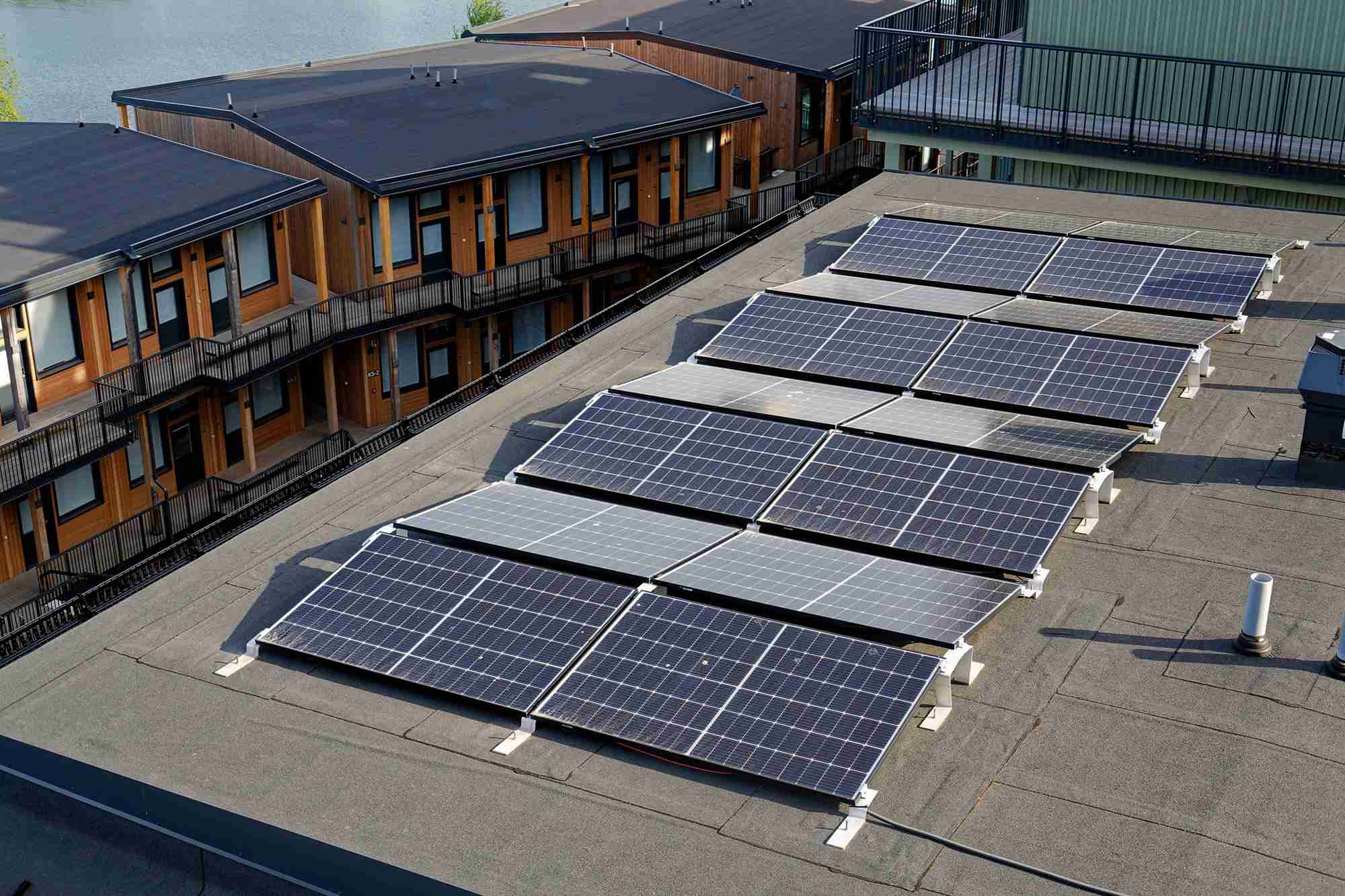
Deploying solar photovoltaics on industrial rooftops presents unique engineering challenges compared to ground-mounted systems. The interaction between the static solar structure and the dynamic industrial building—subject to vibrations, chemical fumes, and thermal expansion—requires rigorous planning. This white paper outlines the structural and safety standards necessary to ensure that rooftop solar installations do not compromise the integrity of the host building or the safety of its occupants.
Structural Load Analysis and Aerodynamics
Before module installation, a comprehensive structural audit is mandatory.
- Dead Load vs. Live Load: The roof must support not just the weight of the panels (dead load) but also the live loads of maintenance personnel and potential wind uplift.
- Wind Tunnel Testing: For high-rise or coastal facilities, computational fluid dynamics (CFD) modeling helps determine the wind pressure coefficients. This ensures the mounting structure is designed to withstand local wind speeds (often 150+ km/h) without detaching.
- Penetrating vs. Non-Penetrating: utilizing non-penetrating clamps (like seam clamps) for metal roofs is critical to prevent water leakage and corrosion over the 25-year asset life.
Fire Safety and Electrical Protection Standards
Industrial rooftops are high-risk environments.
- DC Arc Fault Protection: High-voltage DC cables run across the roof. Advanced inverters with Arc Fault Circuit Interrupter (AFCI) technology are essential to detect and stop arcs before they cause fires.
- Walkways and Lifelines: A dedicated walkway system isolates foot traffic from the fragile roofing sheets. Permanent lifelines must be installed to ensure the safety of O&M teams working at heights.
- Rapid Shutdown: In the event of a fire in the building, the solar system must have a rapid shutdown mechanism to de-energize the DC conductors, allowing firefighters to operate safely.

.svg)
.svg)
.svg)
.svg)
.svg)
.svg)
.svg)


