

Introduction
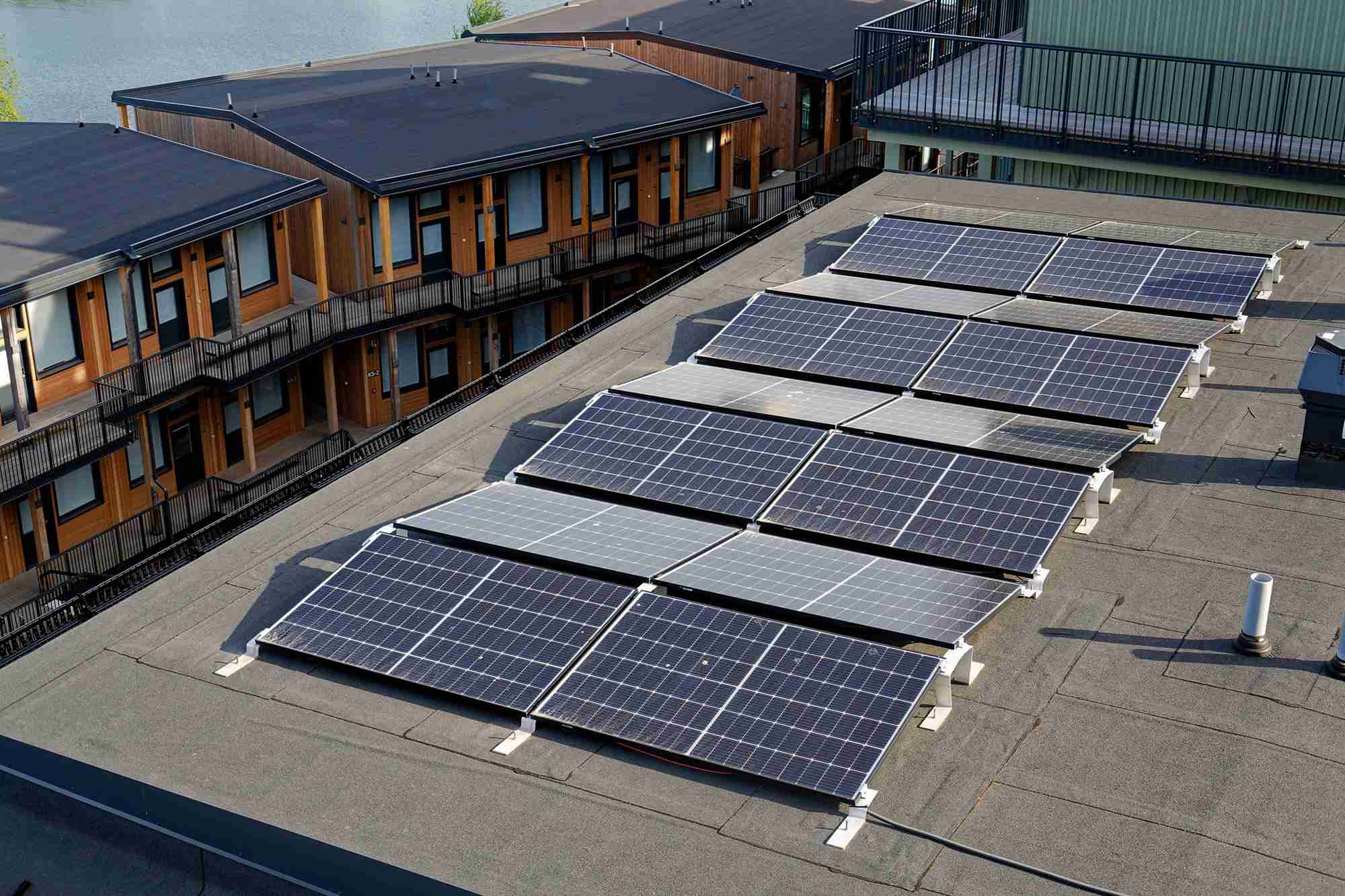
The global energy transition is moving beyond simple capacity addition to solving the "intermittency challenge." As renewable penetration increases, grid operators face stability issues due to the variable nature of standalone wind and solar. This white paper explores how Wind-Solar Hybrid systems provide a technical solution by flattening the generation curve. By co-locating assets, these systems offer a higher Plant Load Factor (PLF) and better grid compliance, effectively bridging the gap between variable renewable energy and baseload power requirements.
Complementary Generation Profiles and Grid Synchronization
The core advantage of hybrid systems lies in the anti-correlated generation profiles of wind and solar resources.
- Diurnal Load Balancing: Solar generation peaks during mid-day (11 AM – 3 PM), while wind generation typically accelerates in the late evening and night. This natural hand-off reduces the need for steep ramping of thermal power plants.
- Grid Infrastructure Optimization: In standalone systems, transmission lines often run at 20-30% capacity. Hybridization boosts utilization to over 50%, reducing the per-unit transmission cost and alleviating grid congestion.
- Voltage Stability: Advanced hybrid inverters can provide reactive power support, helping maintain grid voltage levels even during generation fluctuations.
The Economic Case: Reducing Levelized Cost of Energy (LCOE)
Hybridization is not just a technical fix; it is an economic imperative.
- Shared CAPEX: Co-location reduces capital expenditure by sharing land, evacuation infrastructure, and substations. This creates a tangible reduction in the Levelized Cost of Energy (LCOE).
- Reduced Deviation Penalties: In markets with strict forecasting and scheduling regulations (like DSM in India), the combined consistent output of hybrid farms significantly lowers the risk of penalties for under-injection or over-injection of power.
- Improved ROI: The stability of generation makes hybrid projects more bankable, attracting lower interest rates from lenders compared to higher-risk standalone wind projects.
.svg)
.svg)
.svg)
.svg)
.svg)
.svg)
.svg)


