

Introduction
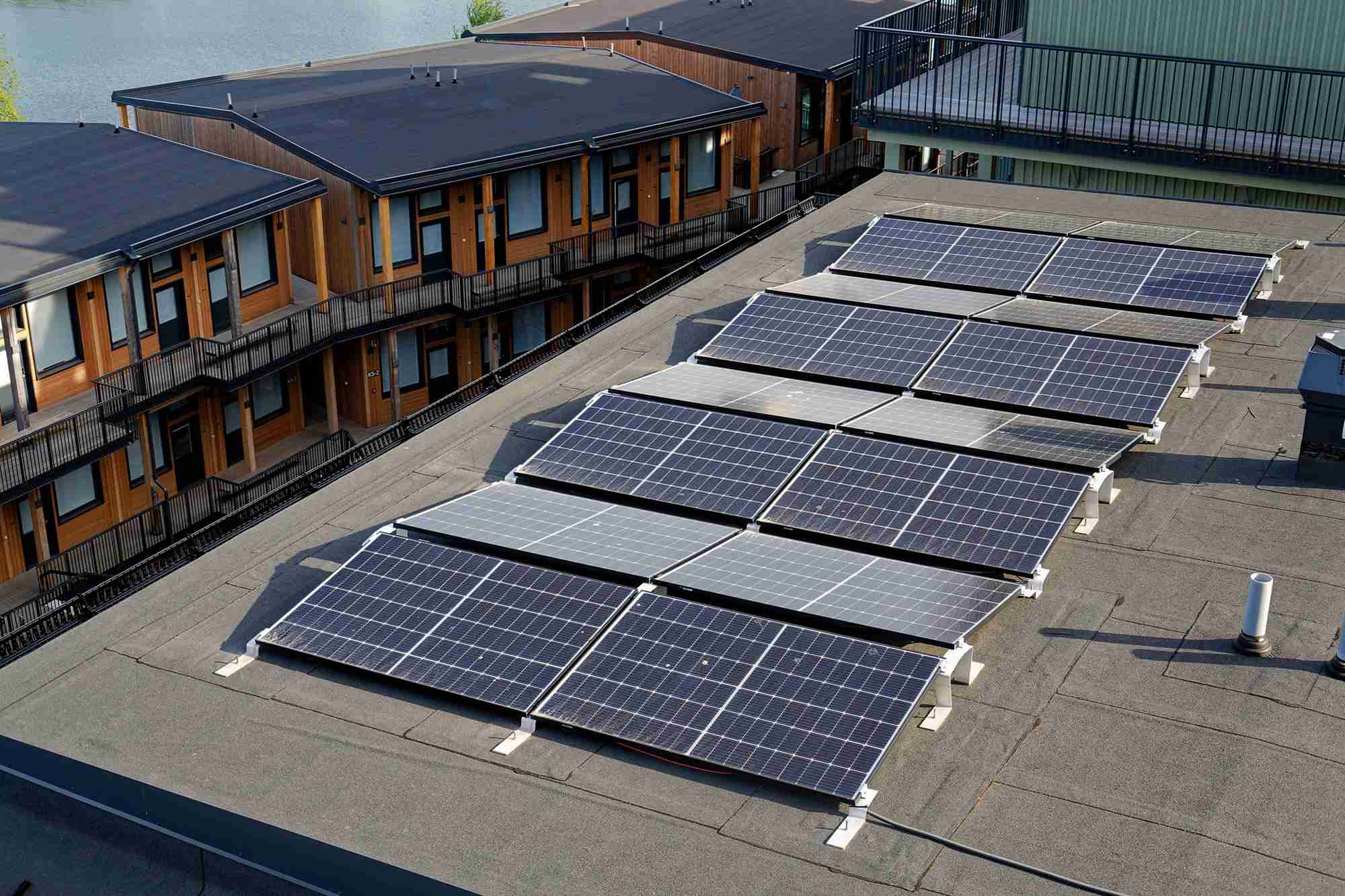
Installing a rooftop solar plant is one of the highest ROI decisions a business can make, turning idle real estate into a revenue-generating asset. However, a roof is a critical part of your building's infrastructure, and modifying it requires due diligence. Before rushing into an installation, it is crucial to assess the physical and technical readiness of your facility to ensure safety and maximum generation efficiency.
Structural Analysis and Shadow Mapping
Not every roof is solar-ready. A detailed structural stability report is non-negotiable to ensure the roof can bear the dead load of the modules and the dynamic load of wind speeds.
- Shadow Analysis: Identifying nearby obstructions (trees, tall buildings, vents) is vital. Even a small shadow can disproportionately drop the system's efficiency.
- Walkways and Safety: The design must include designated walkways for cleaning and maintenance staff to prevent damage to the sheets or accidents.
- Orientation: South-facing installation (in the Northern Hemisphere) is standard, but site-specific constraints may require engineering adjustments.
Selecting the Right Technology and Warranty
The market is flooded with various module technologies, from Polycrystalline to Mono-PERC and Bifacial. Choosing Tier-1 equipment ensures longevity. Pay close attention to the warranty terms:
- Performance Warranty: Typically 25 years, guaranteeing the panels will still produce roughly 80% of their original power.
- Product Warranty: Covers manufacturing defects, usually ranging from 10 to 12 years.
- Inverter Quality: The inverter is the brain of the system; ensure it has a proven track record for handling the specific grid voltage fluctuations in your area.
.svg)
.svg)
.svg)
.svg)
.svg)
.svg)
.svg)


